
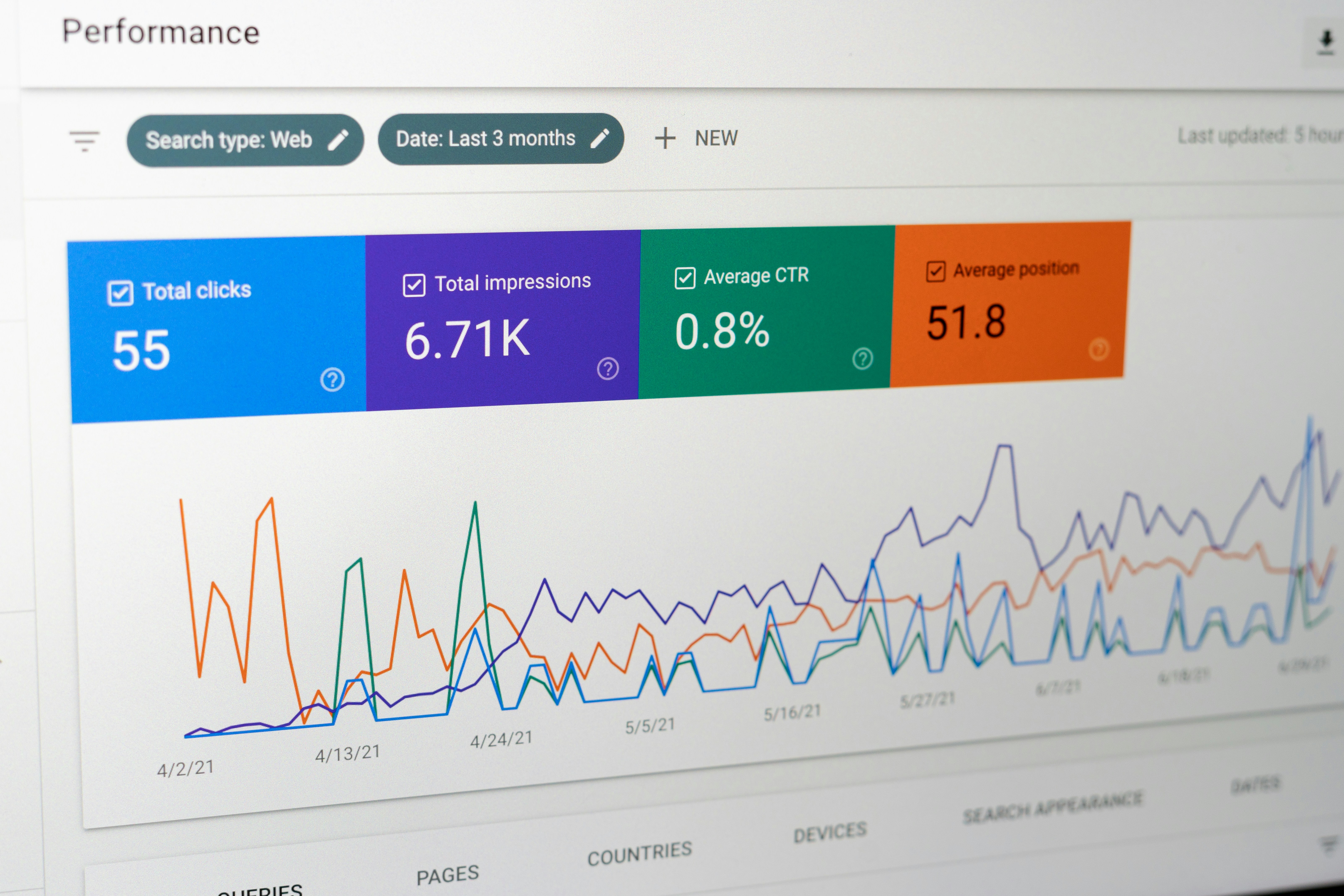
Understanding Compliance Dashboards
Compliance dashboards are vital tools that can make a significant difference in how organisations adhere to regulations. They not only visualise data but also transform complex information into actionable insights. However, to be effective, compliance dashboards must be designed to promote user engagement and foster behavioural change.
Key Design Patterns for Effective Dashboards
One of the main challenges is to design dashboards that are not just aesthetically pleasing but also functional. When working on dashboard design, consider the following patterns:
- Simplicity: The best dashboards present data in a clear, concise manner. Avoid cluttering the interface with extraneous elements.
- User-Centric Design: Engage your users by incorporating their feedback. Tailoring the dashboard to meet their needs increases the likelihood they will use it regularly.
- Actionable Insights: Highlighting key metrics and trends can encourage decision-making. Providing users with clear next steps ensures that compliance reporting isn’t just a passive experience.
Measuring Success Through User Engagement
Ultimately, the success of your compliance dashboard lies in its adoption. Monitor usage patterns and gather feedback to continually refine the dashboard design. The easiest way to ensure compliance reporting leads to action is by making sure that users find the dashboards not only informative but also engaging. Remember, effective dashboard design is a journey, not a destination!